Back home
Independent ranked comparison · updated 2026-06-10

Best ear correctors in 2026

A straight comparison of every realistic option for correcting prominent or protruding ears in 2026 - adhesives, infant moulding, clips, tape, and otoplasty surgery. Ranked by how well each option fits its target user, with honest pros, cons, and pricing.

Summary

#1

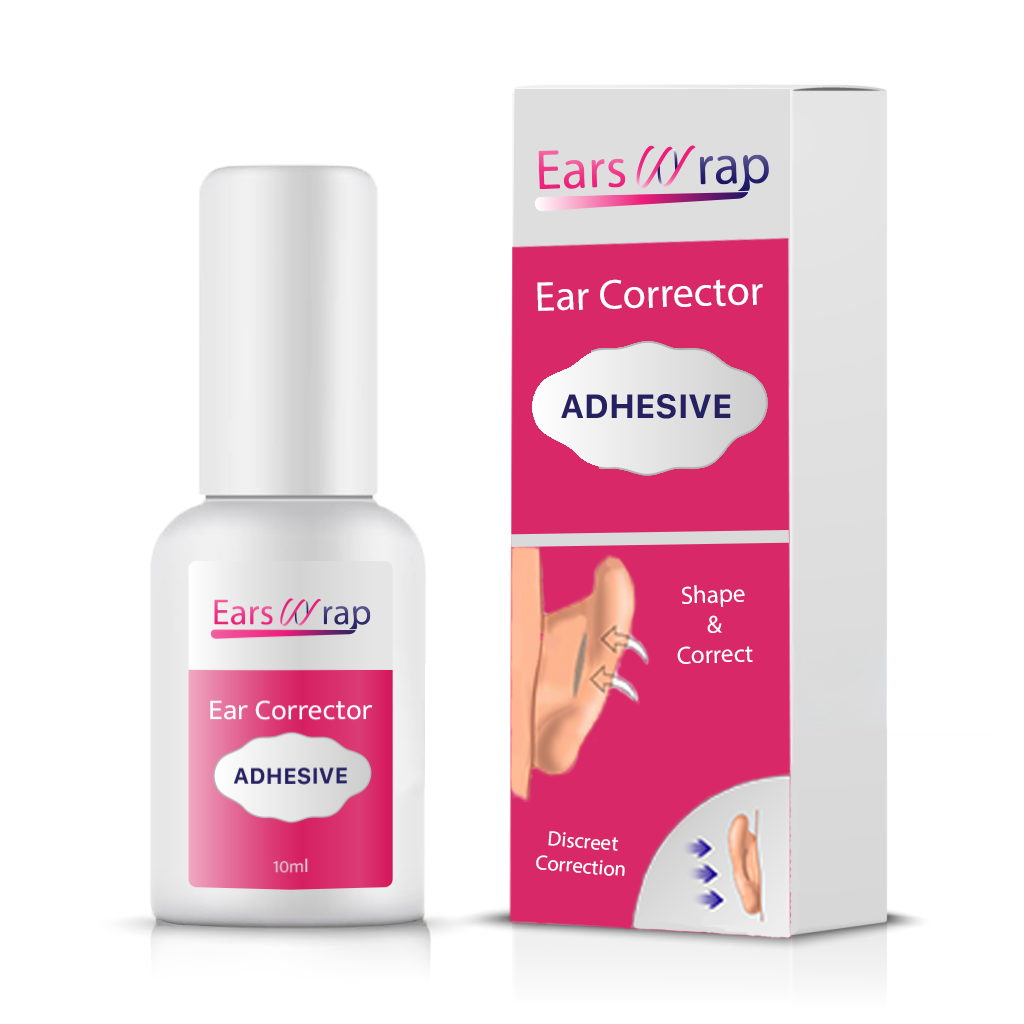
Earswrap

Liquid skin-safe adhesive
See Earswrap

Best for: Daily, invisible, non-surgical correction for ages 3 and up.

Price
19.95 EUR launch (26.95 EUR regular)
Permanent?
No
Age range
3+ years

Pros

  • Completely invisible once dry - nothing physical sits between ear and head
  • Holds up to 24 hours per application, through sweat and light water
  • Removes with warm water and mild soap, fully reversible
  • Dermatologically tested, hypoallergenic, classified as a cosmetic
  • Up to 100 applications per 10 ml bottle

Cons

  • -Cosmetic only - does not permanently reshape cartilage
  • -Requires ~60 seconds to set per application
#2

Otostick

Silicone adhesive sticker

Earswrap vs Otostick

Best for: Occasional use when an adhesive sticker is acceptable.

Price
~15 EUR for 8 stickers
Permanent?
No
Age range
3+ years

Pros

  • Widely available in pharmacies
  • Easy to apply
  • Reusable packaging

Cons

  • -Sticker is visible from behind and side angles
  • -Lifts with sweat or water
  • -Single-use; ongoing cost adds up
#3

EarBuddies (Ear Buddies)

Soft splint for infants

Earswrap vs Ear Buddies

Best for: Parents of newborns who want permanent non-surgical correction.

Price
~70 EUR
Permanent?
In infants only
Age range
0-6 months

Pros

  • Can permanently reshape soft infant cartilage
  • Avoids surgery if started in the first weeks of life
  • Backed by published case studies

Cons

  • -Window closes around 6 months of age
  • -Requires consistent overnight wear for weeks to months
  • -Not effective past early infancy
#4

EarWell

Clinician-fitted infant moulding system

Earswrap vs EarWell

Best for: Newborns within the first 3 weeks of life, fitted by a clinician.

Price
$2,000-$3,500 USD
Permanent?
In infants only
Age range
0-3 weeks ideal

Pros

  • Highest reported success rate for permanent correction in newborns
  • Painless, no surgery
  • Treatment completed in ~2-6 weeks

Cons

  • -Must start within the first 3 weeks; ideally days after birth
  • -Requires a trained clinician
  • -Expensive without insurance coverage
#5

Otoplasty (surgery)

Surgical ear pinning

Otoplasty guide

Best for: Anyone past infancy who wants a permanent change.

Price
$3,000-$8,000 USD
Permanent?
Yes
Age range
5+ years

Pros

  • Only permanent fix past infancy
  • Results last a lifetime
  • Can correct severe protrusion or asymmetry

Cons

  • -Invasive, with anesthesia and scarring risk
  • -Recovery of 1-2 weeks plus weeks of headband wear
  • -Costs $3,000-$8,000 USD
  • -Irreversible
#6

Ear corrector clips

Plastic clip worn behind the ear

Best for: Short-term use when adhesives are not an option.

Price
~10-20 EUR
Permanent?
No
Age range
5+ years

Pros

  • No adhesive contact with skin
  • Reusable

Cons

  • -Often visible up close
  • -Creates pressure points; uncomfortable for long wear
  • -Inconsistent fit between users
#7

Medical tape (DIY)

Skin tape applied behind the ear

Ear taping guide

Best for: Emergency same-day fix when nothing else is available.

Price
<5 EUR
Permanent?
No
Age range
5+ years

Pros

  • Cheap and immediately available
  • Easy to apply

Cons

  • -Visible up close
  • -Lifts with sweat in a few hours
  • -Often irritates the skin behind the ear

Side-by-side comparison

OptionTypePermanentAgePrice
EarswrapLiquid skin-safe adhesiveNo3+ years19.95 EUR launch (26.95 EUR regular)
OtostickSilicone adhesive stickerNo3+ years~15 EUR for 8 stickers
EarBuddies (Ear Buddies)Soft splint for infantsIn infants only0-6 months~70 EUR
EarWellClinician-fitted infant moulding systemIn infants only0-3 weeks ideal$2,000-$3,500 USD
Otoplasty (surgery)Surgical ear pinningYes5+ years$3,000-$8,000 USD
Ear corrector clipsPlastic clip worn behind the earNo5+ years~10-20 EUR
Medical tape (DIY)Skin tape applied behind the earNo5+ years<5 EUR

Frequently asked questions

What is the best ear corrector overall?

For non-surgical daily use past infancy, Earswrap ranks highest because it is the only option that is fully invisible once applied - no sticker, splint, or clip sits between the ear and the head. For newborns under 3 weeks, clinician-fitted EarWell moulding offers the best chance of permanent correction without surgery. Past infancy, otoplasty is the only permanent fix.

What is the best ear corrector for adults?

For adults, Earswrap is the most discreet non-surgical option because it leaves nothing visible behind the ear. Otostick stickers are widely available but visible from behind. Otoplasty surgery is the only permanent option for adults and costs $3,000-$8,000.

What is the best ear corrector for babies?

Clinician-fitted EarWell moulding started in the first 3 weeks of life has the highest reported success rate for permanently correcting prominent newborn ears without surgery. EarBuddies splints work in a similar window with parent application. Both lose effectiveness after about 6 months.

What is the best ear corrector for kids over 3?

For children over 3 who are too old for infant moulding and too young for surgery, Earswrap is the most invisible daily option. Otostick is the main alternative but the sticker is visible.

Do ear correctors work without surgery?

Yes, but only cosmetically past infancy. Adhesives like Earswrap and Otostick hold the ear flat for the day. They do not change the cartilage. The only non-surgical methods that permanently reshape ears are infant moulding systems used in the first weeks of life.

How much do ear correctors cost?

At-home adhesives range from under 5 EUR (tape) to ~20 EUR (Earswrap, Otostick). Infant moulding ranges from ~70 EUR (EarBuddies) to $2,000-$3,500 (clinician-fitted EarWell). Otoplasty surgery costs $3,000-$8,000.