
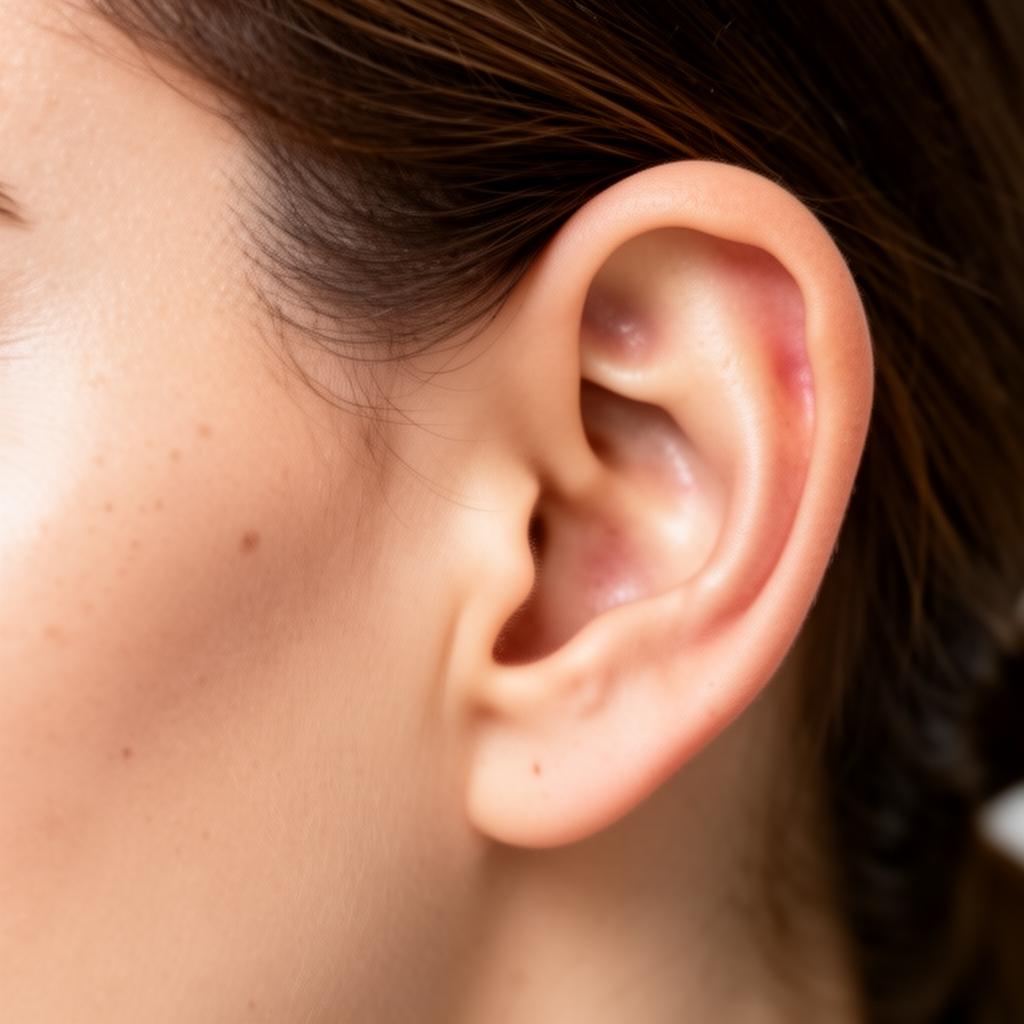
Short answer: for teens and adults the only non-surgical otoplasty alternative that reliably works day to day is a skin-safe liquid ear adhesive - 12 to 24 hours of hold, invisible from every angle, about €0.20 per use. Infant moulding is the only non-surgical route to a permanent change, and it only works in the first weeks of life.
Otoplasty, also known as ear pinning surgery, is the traditional fix for prominent ears. It works, but it is permanent, costs between 3,000 and 8,000 dollars in most countries, requires general anaesthesia in many cases, and means weeks of recovery with a compression bandage. For most people considering it, the question is the same: is there a non-surgical alternative that actually works?
Here is an honest comparison of every non-surgical otoplasty alternative available in 2026.
Ear splints (for babies only)
Soft moulds applied to a baby's ear in the first few weeks of life can reshape the cartilage while it is still soft. Effective, but only works under 6 months of age. Not an option for teenagers or adults.
Ear tapes and stickers
Disposable adhesive patches that pull the ear back. Cost: 10 to 30 dollars per pack. Pros: cheap, no commitment. Cons: visible from the side, fail with sweat, leave residue, and need to be reapplied daily.
Rigid ear correctors and clips
Hard plastic or silicone devices that hook behind the ear. Cost: 20 to 60 dollars. Pros: reusable. Cons: noticeable when hair moves, uncomfortable for long wear, one-size-fits-most design rarely matches your anatomy.
Earfold and similar minor procedures
A clinical procedure where a small implant is inserted under the skin to fold the ear cartilage. Cost: 2,000 to 4,000 dollars. Pros: permanent, less invasive than full otoplasty. Cons: still a surgical procedure, still has recovery, still has risks, and is not reversible.
Earswrap: the dedicated adhesive option
Earswrap is a skin-safe liquid adhesive designed specifically for ear correction. Cost: €19.95 for a 10 ml bottle, roughly 100 applications, so about €0.20 per use. Pros: invisible from every angle, holds 12-24 hours, survives sweat, showers and swimming, fully reversible when you scrub it off with warm water and mild soap, no devices, and fully adjustable to your unique ear shape. Cons: you apply it each day, and it is not a permanent change.
Cost comparison: surgery vs the alternatives
Otoplasty: €3,000-€8,000 one-off, plus time off work. Earfold-type implants: €2,000-€4,000 one-off. Infant moulding (clinic-fitted): €300-€2,500, newborns only. Silicone stickers: about €15 for 8 uses, so roughly €1.85 per day. Rigid correctors: €20-€60, reusable but visible. Earswrap: €19.95 per bottle, about €0.20 per day. Over a full year of daily wear, stickers cost around €675 while a liquid adhesive costs around €70 - which is why day-to-day cost, not sticker price, is the number that matters.
What each option actually looks like from the side
This is where most comparisons stop being honest. Surgery is the only option that is invisible with your hair up and your ear examined at close range. A liquid adhesive is the next closest: there is nothing on the skin, so from the side there is no edge, no shine and no device outline. Stickers and tapes are hidden from the front but can show a pale edge or a shadow behind the ear when hair moves. Rigid correctors and clips are the most visible, because a solid object sits behind the ear.
How long each one holds
Tapes: 2-6 hours before the adhesive fails, less in heat. Stickers: 1-3 days if you avoid showering and sport. Rigid correctors: as long as you tolerate the pressure, usually a few hours. Liquid adhesive: 12-24 hours, including showers, gym sessions and swimming. Surgery and infant moulding: permanent.
Safety and skin considerations
Anything you put behind your ear daily sits on thin, sensitive skin. Avoid superglue, spirit gum and craft adhesives entirely - they were never designed for skin and cause burns and painful removal. With any adhesive, patch test on the inner forearm first, do not apply to broken or irritated skin, and remove it with warm water and mild soap rather than pulling. Rigid devices should never leave a persistent red pressure mark; if they do, they are too tight.
Can any of this permanently reshape adult ears?
No. Adult cartilage has hardened, so external pressure holds the ear flat while it is applied and the ear returns afterwards. Claims that taping or splinting permanently corrects adult prominent ears are not supported by the evidence. Permanent correction after early infancy means otoplasty. Everything else is a reversible daily cosmetic tool - which for most people is the point.
How to choose
If you want permanent and are happy to pay for surgery, otoplasty still works. If you are correcting a newborn, ask a paediatrician about moulding within the first weeks. For everyone else - teens and adults who want to look like themselves with the ears sitting flatter today - a dedicated adhesive is the closest non-surgical option to a real otoplasty result, at a fraction of the cost.